Walk into almost any renovated HDB or condo bathroom in Singapore and you’ll spot one upgrade more often than smart lights, smart locks, or even an aircon controller: the electronic bidet seat. We’re a wash-not-wipe culture living in a hot, humid climate, and a heated seat with a warm-water spray has quietly become one of the most-loved “smart” appliances in the home — even if it never touches your Matter network.
That last part is the catch. The bidet aisle is full of the word “smart,” but very little of it speaks the same language as your Aqara hub or Apple Home setup. So let’s cut through it: here’s what’s actually worth buying in 2026, what the “smart” label really means on a toilet seat, and the install gotchas that trip up Singapore homes specifically.
What “smart” actually means on a bidet seat
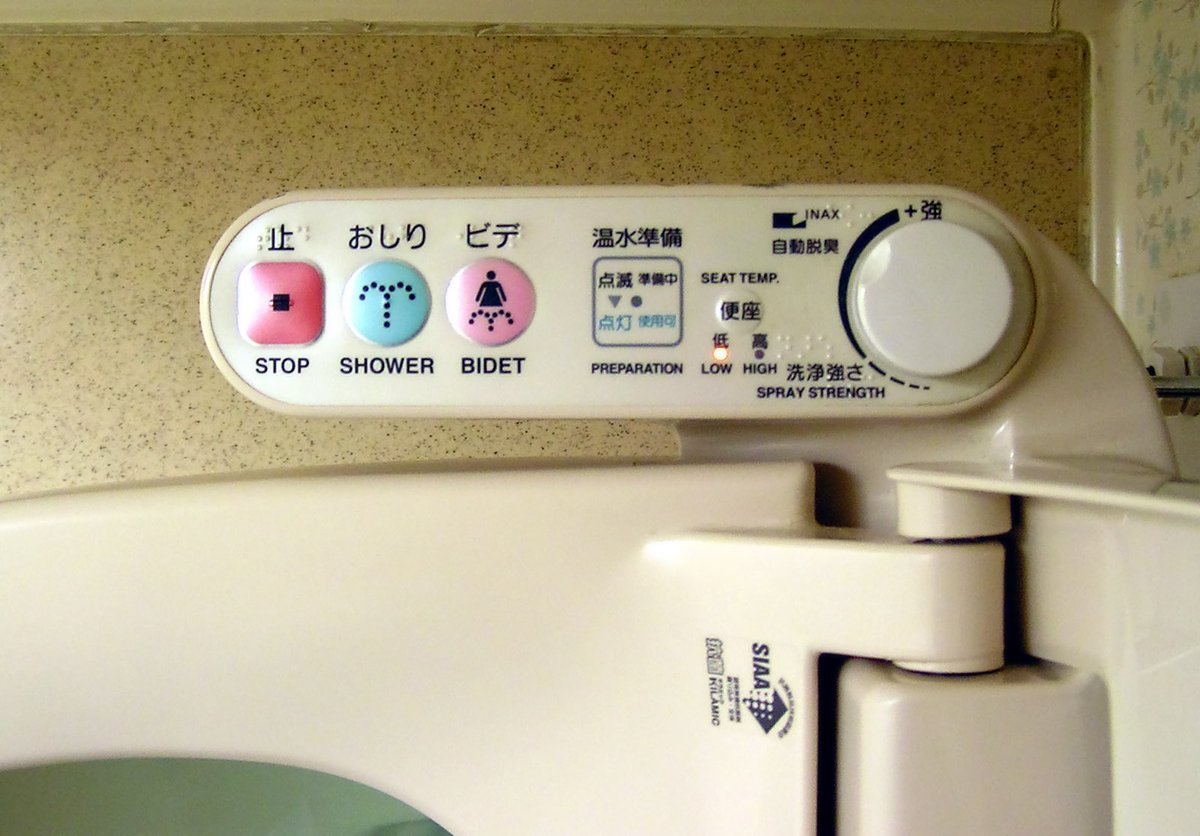
First, a reality check that’ll save you some disappointment. The overwhelming majority of electronic bidet seats — TOTO, Coway, American Standard, the lot — are not part of the smart home ecosystem you’ve spent money building. There’s no Matter, no Thread, no HomeKit, no Google Home. The “smart” here refers to onboard intelligence: presence sensors that lift the lid as you approach, instant water heating, automatic deodorising, eco modes that cut standby power, and self-cleaning nozzles.
That’s genuinely smart in the appliance sense. It’s just local. The control surface is a side panel or a wireless remote stuck to the wall, not your phone’s home app. If you were hoping to say “Hey Siri, warm the seat” before you get out of bed, almost nothing on the market will do that today, and the handful of Wi-Fi models that come close are the exception, not the rule.
Why so far behind the rest of your home? Two reasons. Bidet seats are sold as bathroom fixtures through plumbing and sanitaryware channels, not consumer electronics, so they move on a slower product cycle. And the big players — TOTO especially — have leaned into reliability and water engineering over app gimmickry. Honestly, for a device that lives in a wet room and gets used every single day, that’s not the worst trade-off.
If you want true automation, set realistic expectations. The single genuinely connected option below is the closest you’ll get, and even then it lives in its own app silo rather than your main hub.
The honestly-connected pick: Xiaomi / Smartmi Smart Toilet Seat
If app control is non-negotiable, the Smartmi Smart Toilet Seat (sold under both the Smartmi and Mijia branding) is the one that actually does it. It pairs over Wi-Fi to the Mijia app, where you get per-user profiles, filter-change reminders, adjustable wash settings, night lighting, and the slightly nannyish “you’ve been sitting for two hours, please get up” alert. There’s even neat Mi Band integration — when it detects your band, it loads your saved spray pressure and temperature.
Specs are solid for the money: instant (tankless) water heating that warms the stream to around 39°C only when you sit, a heated seat, IPX4 water resistance, and self-cleaning. Pricing in Singapore is the real draw — depending on which parallel importer you go through, expect roughly SGD 250–400, a fraction of the Japanese flagships.
The caveats are real, though, and worth saying plainly. It’s a China-market product, so the Mijia app and manuals can be a translation maze, and it sits in the Xiaomi silo — it will not appear in Apple Home or Google Home, and there’s no Matter bridge for it. You’re also relying on grey-market support if something breaks. For a tinkerer who already runs a few Mijia gadgets, it’s a fun, cheap entry. For everyone else, the “smart” connectivity is a bonus, not a reason to buy.
The reliable workhorse: TOTO Washlet
If you ask Singaporean plumbers and bathroom showrooms what they install most, the answer is almost always TOTO. The Japanese brand basically defined the category, and its Washlet range is the safe, do-it-right choice.
The standalone Washlet seats clip onto most existing toilet bowls, so you don’t need to rip out your WC to get one. Up top sits the flagship S7A, with a near-hidden remote, auto open/close lid, and TOTO’s EWATER+ (electrolysed water that mists the bowl and self-cleans the wand) plus PREMIST, which wets the bowl before use so less sticks. Below it, the best-selling S5 offers most of the same magic — endless warm water, heated seat, warm-air dryer, night light, and a slimmer profile — for less.
On pricing, the S5 carries a recommended SGD 2,015, though local sanitaryware retailer W. Atelier regularly runs Washlet sales that have brought it down closer to the SGD 1,400 mark. The S7A sits north of that. If those numbers make you wince, TOTO’s entry Washlets like the C2 and C5 deliver the core heated-seat-and-warm-wash experience for meaningfully less — typically well under SGD 1,000 — while dropping the fancier auto lid and EWATER+ tricks.
None of these are network-connected. What you’re paying for is TOTO’s water engineering and a build that’ll shrug off a decade of daily Singapore humidity. For most households, that’s the smarter buy than any app.
The value contender: Coway
South Korea’s Coway is the brand to look at if you want premium-feeling hardware without quite paying TOTO flagship money. The BA13 series — the BA13B picked up a Red Dot design award — uses an instantaneous heating system (no holding tank, so you don’t run out of warm water), twin self-cleaning stainless-steel nozzles, a heated seat, warm-air dryer, and a handheld remote.
Korea takes its bidets seriously, and it shows in the nozzle hygiene and the no-nonsense controls. Coway seats tend to land in the mid-range — comfortably below the TOTO S-series but above the budget no-name units — though exact Singapore pricing shifts with the dealer, so confirm current rates before you commit. Like the TOTO, it’s a self-contained smart appliance: clever locally, invisible to your hub.
The familiar option: American Standard SpaLet
American Standard has strong showroom presence in Singapore, and its SpaLet range (the Advanced Clean AC 2.0 / 2.5 / 3.0 seats, plus integrated Aerozen shower toilets) is an easy, well-supported choice — handy if you’re already speccing American Standard bowls and basins for a reno. You get the expected heated seat, adjustable warm-water wash, dryer, and remote, with local warranty and service that’s easier to chase than a grey-import Xiaomi. It’s the sensible, no-drama pick rather than the exciting one.
The Singapore install reality (this is where people get caught)
Here’s the part nobody warns you about until the seat arrives: most older Singapore bathrooms don’t have a power point next to the toilet. Electronic bidet seats — especially tankless ones — are hungry. A tankless seat can pull up to around 1,400W at peak when heating, so it needs a proper grounded 13A outlet, ideally within about a metre of the bowl, and on a circuit with RCD protection (the wet-room equivalent of the GFCI requirement you’ll see in overseas guides). No extension cords, no dodgy adaptors trailing across the floor.
If your WC corner is a bare tiled wall, you’ll need a licensed electrician to run a dedicated waterproof socket — budget for that on top of the seat. The good news: in most HDB flats you don’t need special approval just to swap a toilet seat for a bidet seat. The rules to respect are the usual ones — don’t hack tiles or alter the main water supply pipes without the right permits, and use a licensed plumber so a botched water connection doesn’t leak into the unit below you. A bad bidet install that floods your neighbour is a far more expensive problem than the seat itself.
One more practical note for our climate: tankless instant-heating models suit Singapore better than tank-style ones. You rarely want a reservoir of pre-heated water sitting around in 30°C ambient heat, and instant heating means you never hit a cold-water surprise mid-wash.
Can you make a bidet seat part of your smart home anyway?
Sort of, with a caveat. You could put the seat’s power on a smart plug with energy monitoring to track its standby draw, or to cut power when you’re away for weeks. But do not use a dumb timer to kill power to a tankless seat to “save electricity” — these seats are designed to idle efficiently with eco modes, and yanking power means a cold seat and cold wash every morning while it re-heats. If standby phantom load genuinely bothers you, it’s the kind of thing our guide to whole-home energy monitoring helps you actually measure before you start switching things off.
The more compelling automation angle is comfort and accessibility rather than gadgetry. A bidet seat with a heated seat, dryer, and auto-open lid is genuinely life-improving for older family members — which is exactly why it features in our look at privacy-first smart home tech for Singapore’s seniors. For aging-in-place, the warm wash and hands-free drying do more real good than any voice command.
So which one should you buy?
- Want genuine app control and don’t mind tinkering? The Smartmi / Xiaomi seat is the only one that truly connects, at roughly SGD 250–400 — just accept the grey-market support and the walled-garden Mijia app.
- Want the most reliable, install-and-forget option? A TOTO Washlet. Stretch to the S5 if the budget allows (watch for W. Atelier sales), or the C-series if not.
- Want premium hardware for less than TOTO flagship money? Coway’s BA13 series.
- Repping American Standard fixtures in a reno already? The SpaLet range keeps everything under one warranty.
The honest takeaway: in 2026, the “smartest” thing about a smart toilet seat is still what it does on its own — instant warm water, a heated seat on a cold tiled morning, and a self-cleaning nozzle — not whether it pings your phone. Buy for the hardware and the install quality first. The Matter-connected washlet that slots neatly into your Apple Home dashboard? That’s still a future product. For now, get the wet-room basics right, and let your hub handle the lights.
If you’re kitting out a fuller setup, our sister site Smartifiers covers the global smart-home gear, while HomeSmart Singapore is a good local starting point for the hub-and-sensor side of things.