In May 2026, Google flicked the switch on the biggest voice-assistant upgrade in a decade. Gemini for Home — the conversational AI replacement for the ageing Google Assistant — rolled out to sixteen new countries across Europe and Asia-Pacific. Australia got it. Japan got it. New Zealand got it. Singapore? We’re still talking to the same robotic Google Assistant that’s been gathering dust on our Nest speakers since 2020.
If you’ve been refreshing the Google Home app waiting for that “Gemini is ready” banner, this one’s going to sting. Let me explain exactly what Singapore is missing, why the hardware on your shelf is already capable of running it, and what you can actually do about it right now.
What Gemini for Home Actually Is
For years, Google Assistant has been the polite-but-dim member of the smart home family. It could set a timer, toggle a light, and tell you tomorrow’s weather — but ask it anything slightly compound and it would fall over. “Hey Google, turn off the living room lights and the fan” was a coin-flip.
Gemini for Home replaces that rigid command-parser with Google’s Gemini large language model — the same AI brain behind the Gemini app — running the voice layer of your home. The practical differences are real, not marketing fluff:
- Multi-step commands in one breath. “Turn off the bedroom lights, set the aircon to 24, and wake me at 7” now works as a single sentence, and you can correct yourself mid-sentence without starting over.
- Natural, conversational follow-ups. No need to repeat “Hey Google” for every turn. Ask a question, then just keep talking.
- Actual reasoning. You can ask vague, human questions — “what can I cook with what’s in season right now?” — and get a useful answer instead of a web-search read-aloud.
- Expressive voices that sound far less like a 2014 GPS unit.
Google has since pushed the underlying model to Gemini 3.1 for Home, which tightens up the multi-command handling further. The premium-tier extras — Gemini Live for free-flowing back-and-forth conversation, Camera History Search, and Home Briefs — sit behind a Google Home Premium subscription, but the core assistant (smart home control, timers, alarms, lists, reminders, media) is free once it reaches your region.
The crucial detail for us: this is a software update, not a hardware requirement. According to Google’s support documentation, Gemini for Home runs on the Nest Audio, Nest Mini, Nest Hub (1st and 2nd gen), Nest Hub Max, the older Google Home, Home Mini, Home Max, and Nest Wifi points — plus assorted third-party speakers. In other words, the exact Nest speakers that have been sold in Singapore for years are perfectly capable of running it. The only thing standing between your Nest Mini and a brain transplant is a region flag on Google’s servers.
Why Singapore Got Skipped (Again)
Here’s the list of countries that received Gemini for Home in the May 2026 expansion: Austria, Belgium, Denmark, Finland, France, Ireland, Italy, the Netherlands, Norway, Spain, Sweden, Switzerland, the United Kingdom, Australia, Japan, and New Zealand. The rollout is an opt-in early-access program you join through the Home app — and it’s gated to your Google account’s home region.
Singapore is conspicuously absent. So is most of Southeast Asia. It’s the same pattern smart-home enthusiasts here know well: we’re a small, English-speaking market that looks like an easy win on paper, but we keep landing in the second or third wave of Google launches. Nest’s smart displays trickled in late; the Nest Doorbell and Nest Cam range was a grey-import affair for years; and now the headline AI feature lands in Australia and Japan while we wait.
Language support is the usual culprit — Gemini for Home has to be validated per locale, and Google prioritises markets with the largest installed base of Nest devices. Australia and Japan clear that bar; Singapore, with its smaller footprint, doesn’t yet. It’s frustrating precisely because there’s no technical reason your hardware can’t do it. Gemini for Home only took its first step outside the US at all in early 2026, and this APAC expansion is the clearest example yet of how staggered Google’s rollouts can be.
The new Google Home Speaker isn’t coming either
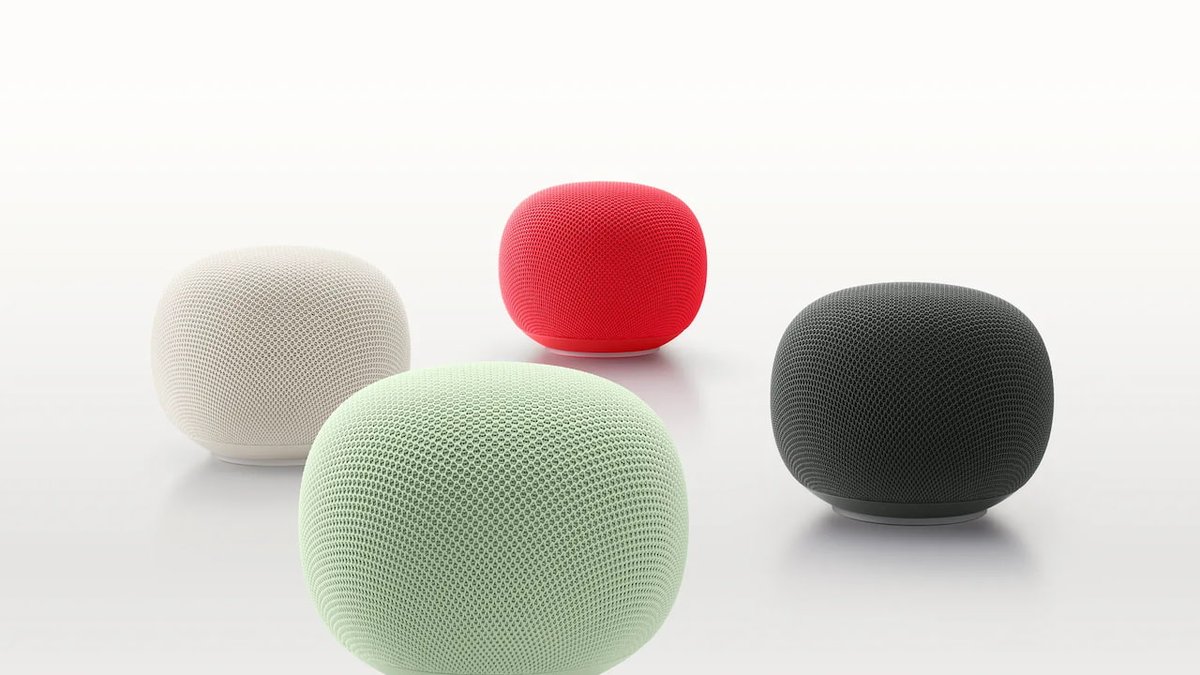
Adding salt to the wound: Google is launching an all-new Google Home Speaker on 25 June 2026 — its first ground-up smart speaker in years, built specifically for Gemini. It’s a genuinely nice piece of kit: US$99.99, 360-degree sound, a light-ring underglow that pulses while it’s thinking, and four colourways (Hazel, Porcelain, Jade, Berry). It can even pair with a Google TV Streamer for spatial surround.
It’s launching in nineteen countries. Australia, Japan, and New Zealand are on the list. Singapore is not. And before you fire up a parcel-forwarding service: even if you grey-import one, the Gemini features are tied to your account region, so you’d end up with a $100 speaker running the same old Assistant we already have. Don’t.
What Singapore Users Can Actually Do
Right, enough complaining. Here are your real options as of June 2026, ranked from “least effort” to “most committed.”
1. Opt in and wait — but set expectations
Open the Google Home app, head to the settings, and look for the early-access toggle. If your account region is Singapore, you almost certainly won’t see Gemini for Home offered yet — but opting in flags your account, and Google has said it bumps you up the queue when your region goes live. Given the APAC momentum (Australia, Japan, and NZ are already done), Singapore is a plausible candidate for the next wave. This costs you nothing but patience.
Do not change your Google account country to fake your way in. It breaks your Play Store purchases, payment methods, and subscriptions, and Google has gotten aggressive about reversing it. The cure is far worse than the wait.
2. Lean into Apple Home if you’re already in that camp
If you have iPhones in the house, Apple’s Home app paired with HomePods gives you a Siri that — post-Apple-Intelligence — has closed much of the conversational gap. It’s not Gemini-clever, but it’s available here today, it’s deeply private, and HomePods are sold officially in Singapore. We broke down how the major platforms stack up in our AI Showdown: SmartThings vs Google Home vs Apple Home, and for a lot of HDB and condo setups, Apple Home is the path of least resistance regardless of the Gemini situation.
3. Go local with Home Assistant Voice
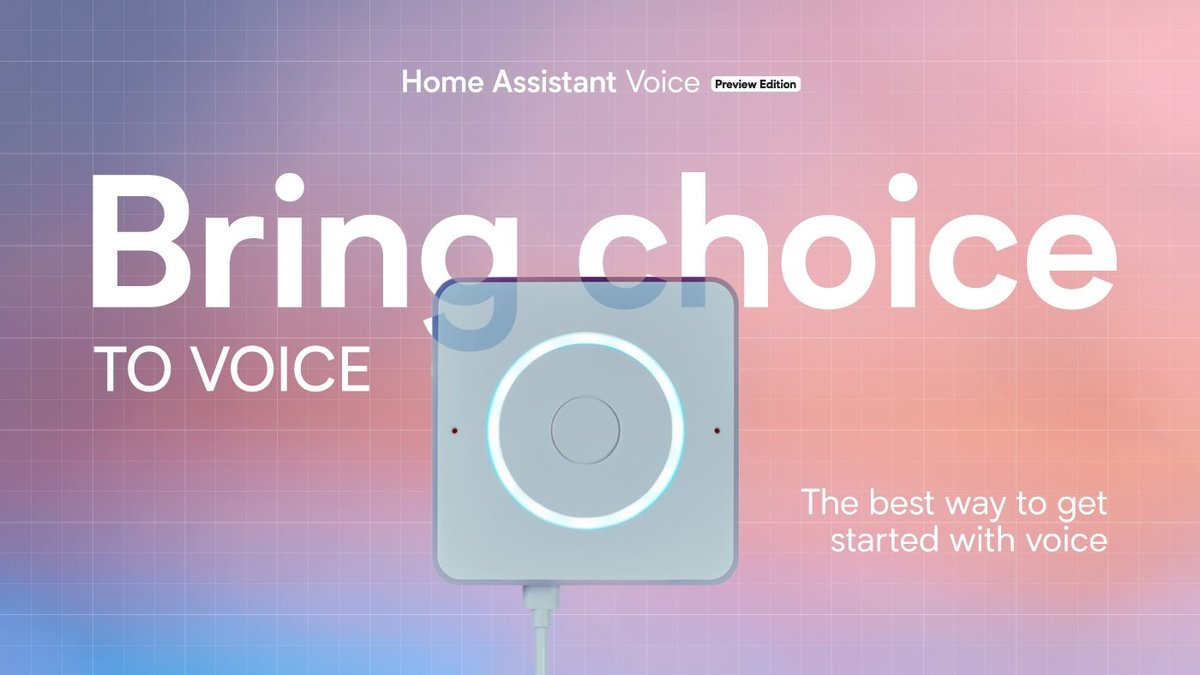
This is the enthusiast’s answer, and honestly the most future-proof one. The Home Assistant Voice Preview Edition is a US$59 hardware puck that runs your voice control entirely on your own network — no Google region flag, no subscription, no data leaving your home. Pair it with a local LLM and you get conversational, multi-command control that rivals Gemini for Home while keeping everything private. It’s more fiddly to set up, but it answers to nobody’s rollout schedule.
If privacy and independence from Big Tech’s geo-fencing is what’s driving your frustration here, this is the real fix. We did a full walkthrough in Take Back Your Voice: The Best Private, Local Voice Assistant for Singapore Smart Homes, and it’s the route I’d personally take if I were tired of waiting on Mountain View.
4. Keep building on Matter so you’re ready for anything
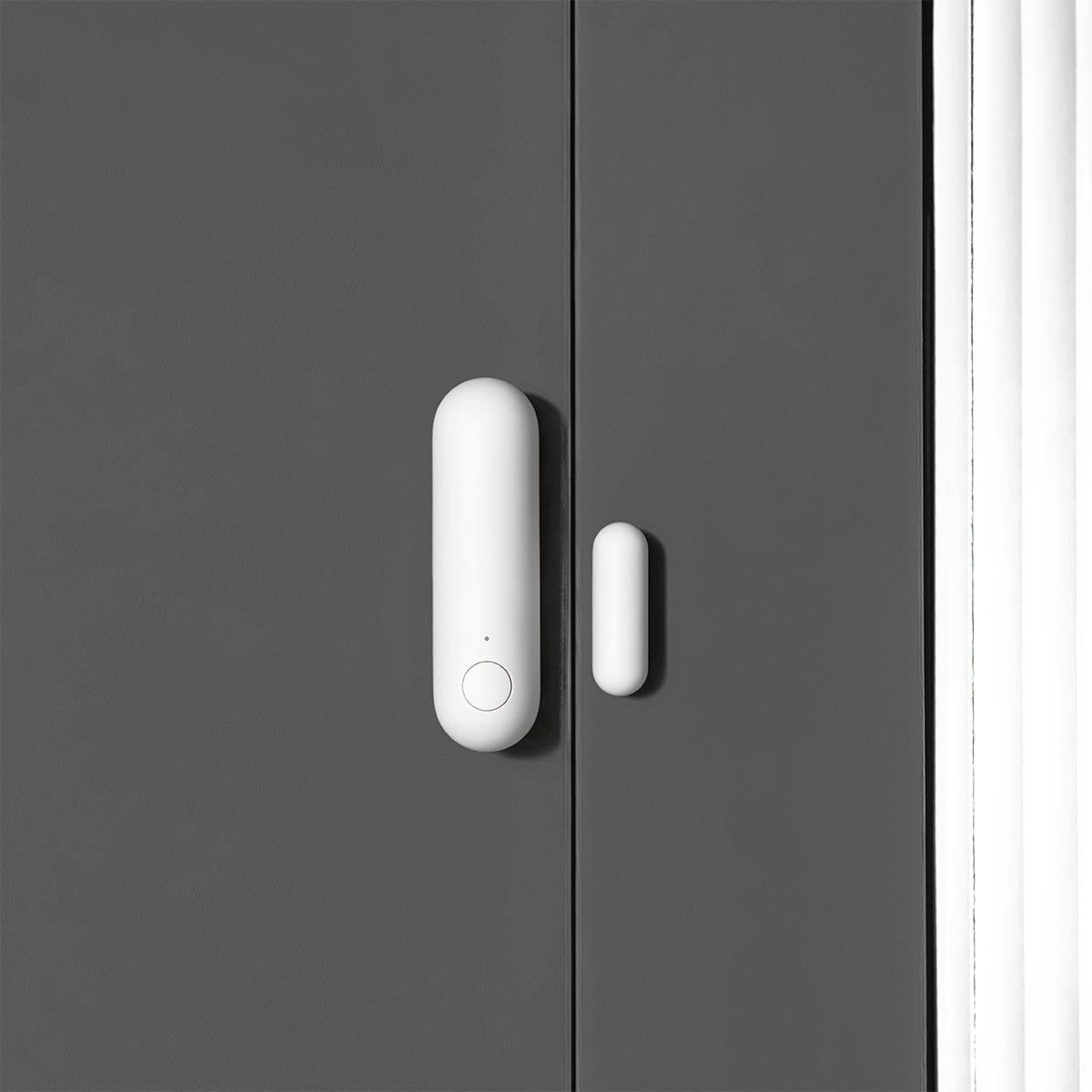
Whatever assistant ends up running your home, the smart move in 2026 is to keep your devices platform-agnostic. Build on Matter and Thread wherever you can — bulbs, plugs, sensors, locks — so that the day Gemini for Home finally lands in Singapore (or the day you decide to jump to Apple or Home Assistant instead), your hardware doesn’t care. A Matter-certified Aqara setup from HomeSmart will happily answer to Google Assistant today and Gemini tomorrow without you rebuying a thing. That’s the whole point of the standard, and it’s why your assistant choice matters far less than it used to.
The Bottom Line
Gemini for Home is a genuine leap — the first time talking to your smart home feels less like reciting incantations and more like talking to a competent housemate. The maddening part is that Singapore already owns the hardware to run it. Every Nest Mini and Nest Hub sold here is one server-side flag away from the upgrade that Sydney and Tokyo are already enjoying.
My honest take: don’t buy anything new chasing this. Don’t grey-import the new Google Home Speaker, don’t fiddle with your account region, and don’t write off your existing Nest gear — opt into early access, sit tight, and let the rollout reach us, because the APAC pattern suggests it will. And if waiting on Google’s timetable isn’t your style, the door to a private, local, region-proof voice assistant has never been more open. Either way, keep building on Matter, and you’ll be ready the moment the switch finally flips.
We’ll update this piece the instant Gemini for Home goes live in Singapore. Don’t hold your breath — but maybe keep one eye on that Home app.