IKEA’s big Matter-over-Thread reboot is no longer something you read about in European tech news. Go to IKEA Singapore’s website today and you’ll find KAJPLATS smart bulbs from S$6.90, a BILRESA remote for S$8.90, a GRILLPLATS energy-monitoring plug for S$12.90 and an ALPSTUGA air quality sensor with CO2 for S$39.90. Those are prices that make Philips Hue look like a luxury brand and make even Aqara look a bit expensive.
The pitch is simple: these devices don’t need IKEA’s hub. They speak Matter over Thread, so they pair straight into Apple Home, Google Home, SmartThings, Alexa or Home Assistant, as long as you already own a Thread border router.
The reality has been messier. When the range launched in Europe earlier this year, plenty of people couldn’t get the devices to connect at all. And Singapore isn’t getting the full line-up yet: the cheap Thread sensors many of us wanted are missing here.
Here’s what you can actually buy here, what it costs, what works in an HDB flat, and what to skip.
What IKEA Singapore Actually Sells (and What’s Missing)
When IKEA announced 21 new Matter devices late last year, the list included bulbs, remotes, plugs, and a set of cheap sensors for motion, doors and windows, and water leaks. Here’s the part that has reached IKEA Singapore’s online store, at the prices listed when we checked in early October:
| Product | What it is | Price (SGD) |
|---|---|---|
| KAJPLATS E27 470 lm | White-spectrum bulb, opal globe | S$6.90 |
| KAJPLATS E27 806 lm | White-spectrum bulb, clear globe | S$9.90 |
| KAJPLATS E27 1055 lm | Colour + white bulb, opal globe | S$12.90 |
| KAJPLATS E14 806 lm | Colour + white bulb, small socket | S$9.90 |
| KAJPLATS GU10 470 lm | Colour + white spotlight | S$9.90 |
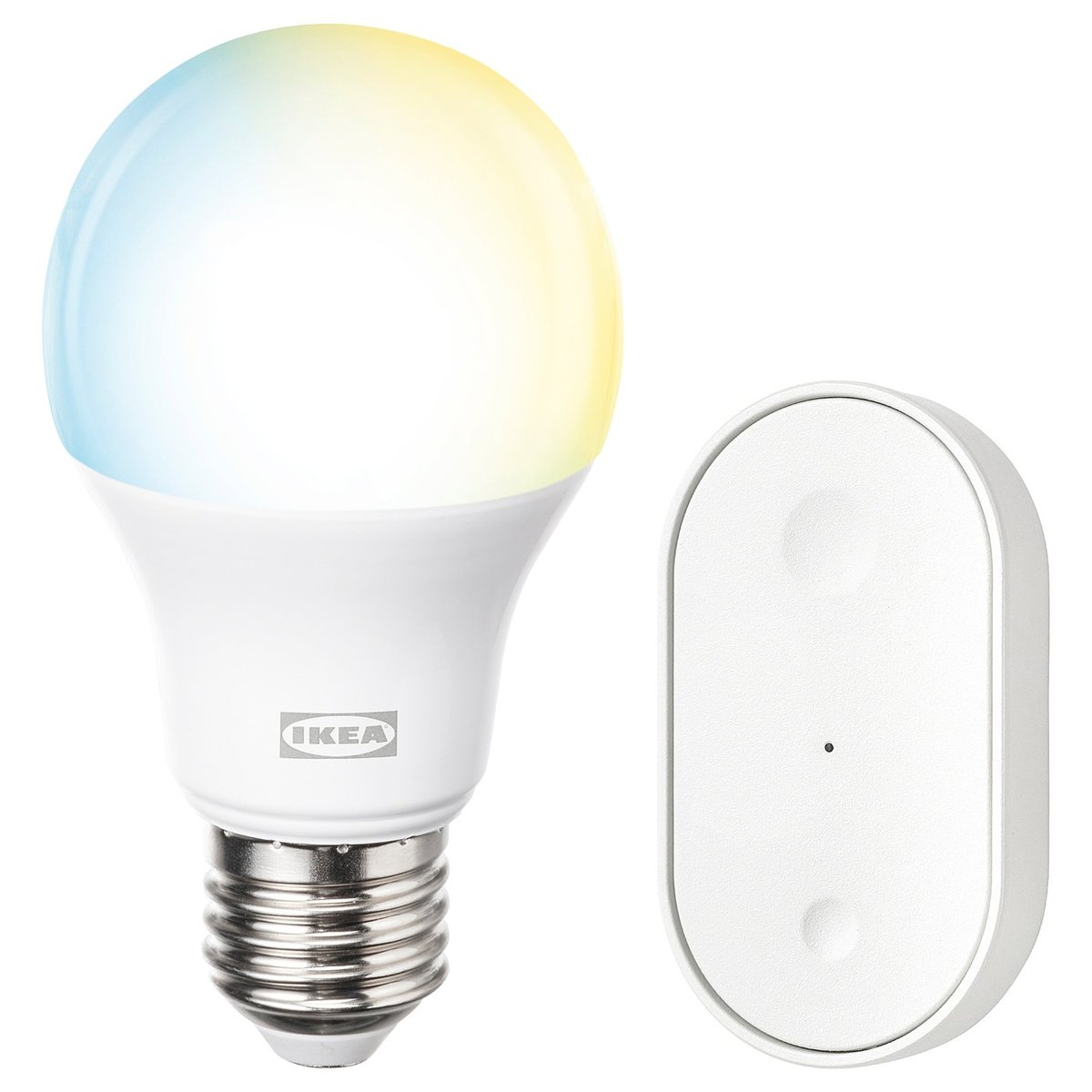
| KAJPLATS starter kit | White-spectrum E27 bulb + pre-paired remote | S$15.90 |
| BILRESA | Dual-button remote | S$8.90 |
| GRILLPLATS | Smart plug with energy monitoring | S$12.90 |
| GRILLPLATS + remote | Plug bundled with a remote | S$19.90 |
| TIMMERFLOTTE | Temperature/humidity sensor with display | S$12.90 |
| ALPSTUGA | Air quality sensor (CO2, PM2.5, temp, humidity) | S$39.90 |
Everything in that table is Matter over Thread. What we couldn’t find on IKEA Singapore’s site were MYGGSPRAY (motion sensor), MYGGBETT (door/window sensor), KLIPPBOK (water leak sensor), and the scroll-wheel version of BILRESA. If you search IKEA Singapore for a motion or leak sensor, you’ll get the older VALLHORN (S$6.90), PARASOLL (S$7.90) and BADRING (S$14.90). Those are Zigbee devices, and they only work through IKEA’s DIRIGERA hub (S$139).
That matters because the cheap Thread sensors were the most interesting part of the announcement. For now, the Singapore range is mostly lighting, plugs and environmental monitoring. Check the IKEA Singapore smart product listings before you plan a whole-flat build around something that isn’t sold here yet.
First, Do You Even Need a Hub?
Probably not, if you’re already in Apple Home or Google Home. Every one of these products carries the same note on IKEA’s product page: it uses Matter over Thread, so you need a Thread border router to control it from your phone.
In a typical Singapore home, you may already have one:
- Apple HomePod mini or Apple TV 4K (the Wi-Fi + Ethernet model)
- Google Nest Hub (2nd gen) or Nest Hub Max
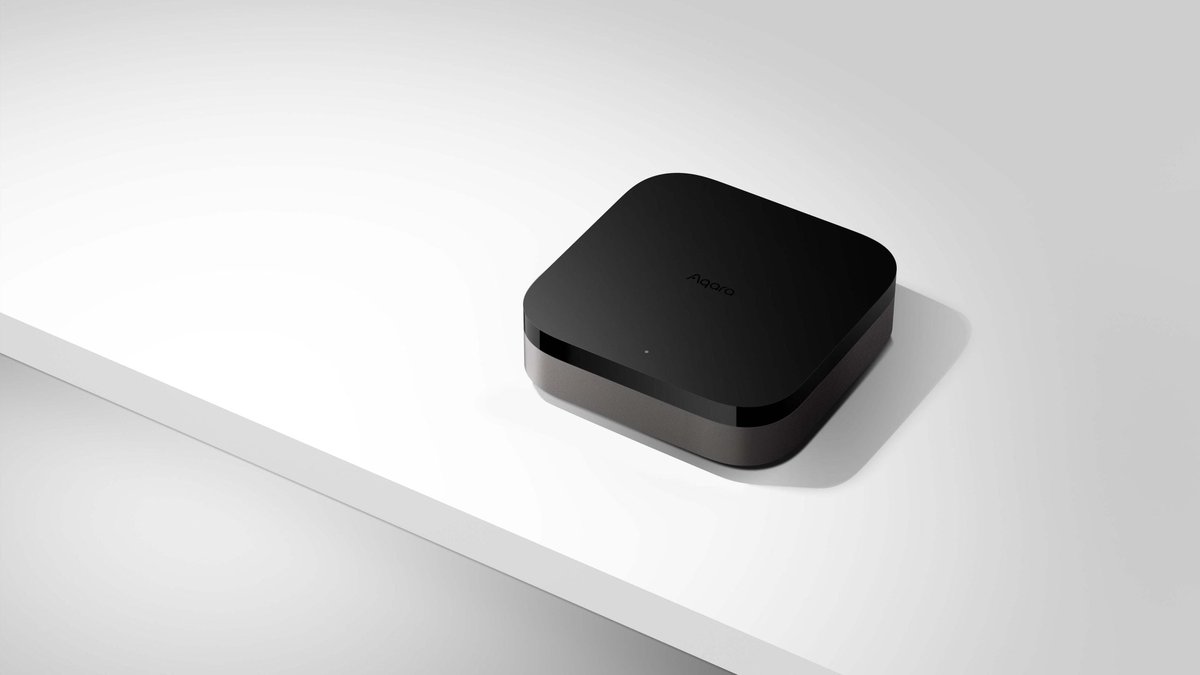
- Aqara Hub M3, which is also a Matter controller and a Zigbee hub (HomeSmart stocks it in Singapore)
- IKEA DIRIGERA, which handles Zigbee, Thread and Matter, and lets you use IKEA’s own app
If you have none of those, the cheapest way into this range is DIRIGERA at S$139. That’s a lot more than a S$6.90 bulb, but it also opens up the older Zigbee sensors that are still the only IKEA motion and leak sensors sold here.
The exception is the KAJPLATS starter kit (S$15.90). IKEA ships the bulb and remote already paired, so you screw the bulb into a lamp and press the button. You get no app and no automations, but you also don’t need a hub or a phone. If you just want a dimmable, colour-temperature-adjustable reading lamp, this is the lowest-effort smart lighting you can buy in Singapore. You can add it to a hub later.
The Elephant in the Room: The Pairing Problems
We’d be doing you a disservice if we skipped this. When the range reached European stores in early 2026, connection complaints started almost straight away. Android Authority summarised the fallout in February. The Verge’s smart home reviewer had tried six devices and managed to add only one KAJPLATS bulb to Apple Home, and that took seven attempts. An ALPSTUGA would only pair with Home Assistant. A BILRESA button joined Alexa, dropped off and wouldn’t re-pair. A widely shared Reddit post described getting just 31 of 60 BILRESA buttons connected.
IKEA’s smart home range manager, David Granath, said the company was aware of connection issues “in certain home environments” and was working with its ecosystem partners and the Connectivity Standards Alliance. In March, IKEA pushed DIRIGERA firmware 2.934.0, which Matter Alpha reported was aimed at improving Matter onboarding and BILRESA’s pausing behaviour. Home Assistant users also had trouble getting firmware updates onto IKEA devices until newer Matter Server builds fixed it. Tom’s Guide covered the same saga.
User reviews on IKEA’s own product pages are now mixed rather than disastrous. Some people say the plugs and remotes have been rock solid, and others report Thread devices falling offline after a few days. Our take: things are much better than at launch, but you can still expect a few failed attempts. That’s why the low prices matter. If a S$6.90 bulb takes three tries to pair, you shrug. If a S$90 lock does, you’re annoyed.
To improve your odds:
- Update your border router first. HomePod, Apple TV, Nest Hub or DIRIGERA should all be on current firmware before you pair anything.
- Pair close to the border router. HDB walls are reinforced concrete and soak up 2.4 GHz signal. Pair the device in the same room as the router, then move it to where it lives.
- Pick one main ecosystem. Matter lets you share a device to a second platform later, but Matter Alpha also noted that sharing IKEA devices into some platforms, Samsung SmartThings in particular, has been a recurring headache. Commission into your main platform first, and share afterwards only if you need to.
- Have mains-powered Thread devices in place before battery ones. More on that below.
KAJPLATS Bulbs: Great Value, but Check Your Sockets
The bulbs are the strongest part of the range. S$6.90 for a Matter bulb that adjusts from warm to cool white is extraordinary, and S$12.90 for a full-colour 1055-lumen E27 undercuts almost everything else on the market here. For a deeper comparison with Hue, Aqara and others, see our Matter smart bulb buyer’s guide.
Two HDB-specific caveats:
Many HDB flats don’t have many bulb sockets. Most BTO and resale reno lighting is integrated LED ceiling lights or downlights, not E27 sockets. KAJPLATS works best in floor and table lamps, pendant lamps over the dining table, and GU10 track lights, which have become popular in HDB renovations. If your main lighting is a built-in LED ceiling fixture, look at our smart ceiling light guide instead.
Stop people flicking the wall switch. A smart bulb that’s switched off at the wall is dead to your smart home. With Thread there’s an extra cost: mains-powered Thread devices usually act as routers that relay signal for battery devices. Kill power to three KAJPLATS bulbs in the living room and the BILRESA remote by the sofa may lose its route to the border router. Tape over the switch, use a BILRESA as the “switch”, or put the bulbs on lamps that stay powered.
GRILLPLATS: An Energy-Monitoring Plug for S$12.90
This is the sleeper hit. GRILLPLATS is a Thread smart plug that reports power use, the feature most people actually want from a smart plug in Singapore, where the electricity bill is the main reason to automate anything. IKEA Singapore lists it with the same article number as the Irish store, which suggests it’s the three-pin Type G version used in both countries.
What to use it for in an HDB flat:
- Measuring how much your dehumidifier, standing fan or TV setup really draws (our whole-home energy monitoring guide explains why that’s worth knowing)
- Cutting standby power on a home office setup overnight
- Switching an aquarium pump or lamp on a schedule
What not to use it for: water heaters, aircon or anything with a heating element running for hours. Those belong on a hardwired 20A switch, not a plug-in socket.
Also check where your energy data will appear. GRILLPLATS exposes detailed power readings over Matter, but how much of that each app shows varies a lot. Home Assistant shows the most. Other apps may show only on/off control and little or no energy history. If energy data is the main reason you’re buying it, our energy-monitoring smart plug roundup covers alternatives with better first-party apps.
TIMMERFLOTTE and ALPSTUGA: Made for Singapore’s Climate
These two suit Singapore better than any other part of the range.
TIMMERFLOTTE (S$12.90) is a small temperature and humidity sensor with a display: press it once to see temperature, then humidity. It runs on two AAA batteries (sold separately; IKEA recommends its LADDA rechargeables). At this price you can put one in every room. Good uses:
- Trigger a bathroom exhaust fan when humidity spikes after a shower (we walked through this in our bathroom fan humidity guide)
- Turn on a dehumidifier in the wardrobe or storeroom when humidity passes 70%
- Get a “you left the aircon off and it’s 31°C in the study” alert
ALPSTUGA (S$39.90) is the more interesting one. It measures CO2, PM2.5, temperature and humidity, shows readings on its screen, and can also work as a clock. It’s powered over USB-C, but the cable and charger aren’t in the box.
CO2 is underrated in Singapore. Many households sleep with the aircon on and the bedroom door and windows shut for eight hours. CO2 can build up a lot in a small room like that, and high CO2 is linked to stuffiness and poorer sleep. ALPSTUGA shows you what’s happening and can trigger a fan or a reminder to crack the door open. The PM2.5 reading is useful during haze season; pair it with the automations in our haze air purifier guide.
CO2 sensing at under S$40 is rare. Our air quality monitor guide covers more capable, and pricier, options. But if you want “is my bedroom stuffy?” answered inside Apple Home or Home Assistant, ALPSTUGA is the easy recommendation, despite the pairing reports.
BILRESA: Cheap Buttons, With Caveats
At S$8.90, BILRESA is a dual-button Thread remote that can control up to 10 IKEA smart products and act as a general-purpose button in Matter platforms. It’s the device most affected by the early pairing failures, and the one DIRIGERA’s March update specifically targeted.
Buy it if you want a cheap scene button by the bed or the front door. Buy a spare if you’re doing more than a couple, because the S$8.90 price lets you absorb a dud. Like TIMMERFLOTTE, it takes two AAA batteries that aren’t included.
What We’d Buy, and What We’d Skip
If you already have a HomePod mini, Apple TV or Nest Hub:
- 2–3 KAJPLATS bulbs for lamps you actually use (S$7–13 each)
- 1 GRILLPLATS for your dehumidifier or TV setup (S$12.90)
- 1 ALPSTUGA for the master bedroom (S$39.90)
- 1–2 TIMMERFLOTTE for the bathroom or storeroom (S$12.90 each)
That’s a useful starter set for well under S$120, and it fits with our S$300 starter smart home plan.
If you have no hub and just want smarter lamps: buy the KAJPLATS starter kit (S$15.90) and stop there for now.
If you want IKEA motion, door or leak sensors: you’ll need DIRIGERA and the older Zigbee models until the Thread sensors arrive here. Or look at Aqara, whose Thread and Zigbee sensors are widely sold in Singapore. Our Thread vs Zigbee explainer covers the trade-offs.
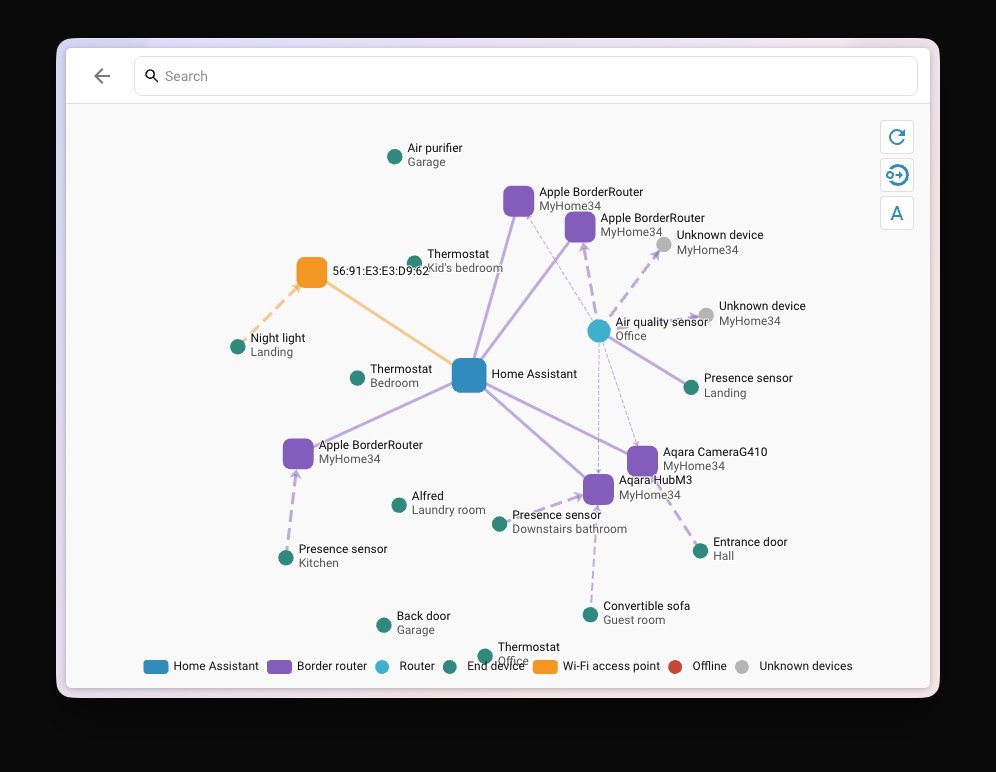
Skip for now: building a large Thread network entirely from IKEA battery devices. Put in the mains-powered bulbs and plugs first so the mesh has routers. If things act up later, Home Assistant’s new Matter network map is the fastest way to see which device is the weak link.
The Verdict
IKEA has done what Matter promised from the start: cheap, ecosystem-neutral smart devices you can buy at the same place as your bookshelf. The Singapore range is incomplete, the launch was rough, and you’ll still need a Thread border router for anything beyond the starter kit.
Still, a S$6.90 bulb, a S$12.90 energy-monitoring plug and a S$39.90 CO2 sensor are hard to argue with. If you already have a HomePod mini or a Nest Hub, this is the cheapest way to fill out an HDB smart home in 2026. Just keep the receipt handy.