The Long-Awaited Matter Camera Revolution Has Finally Arrived
After years of promises and delays, Matter 1.5 cameras are finally hitting Singapore shelves in 2026, and honestly, it’s about time. As someone who’s been tracking the smart home industry’s glacial progress toward true interoperability, I’m cautiously optimistic about this latest development. The introduction of camera support in Matter 1.5 represents a significant milestone, but let’s be clear—it’s not without its limitations.
For Singapore homeowners living in HDB flats and condominiums, the appeal of Matter cameras is obvious: one standard that works across Apple HomeKit, Google Home, Samsung SmartThings, and Amazon Alexa. No more being locked into a single ecosystem or dealing with the frustration of incompatible devices. But as we’ll explore, the reality is more nuanced than the marketing promises suggest.
What Makes Matter 1.5 Cameras Different?
Matter 1.5 introduced several key camera-related features that previous versions lacked. The most significant addition is the Camera Device Type, which enables basic streaming capabilities across all Matter-compatible platforms. However, and this is crucial for Singapore buyers to understand, Matter 1.5 cameras are limited to standard definition (SD) streaming when accessed through the Matter protocol.
This limitation stems from bandwidth constraints within the Matter specification. While your camera might be capable of 4K recording locally, when you access it through Matter, you’re getting SD quality. It’s a trade-off between universal compatibility and video quality that many manufacturers are still grappling with.
The protocol also supports basic camera controls like pan, tilt, and zoom (PTZ) functions, though implementation varies significantly between manufacturers. Motion detection events can be shared across platforms, but advanced features like person detection or package recognition typically remain locked to the manufacturer’s native app.
Top Matter 1.5 Compatible Cameras for Singapore Homes
Best Overall: Aqara Camera Hub G5 Pro Matter Edition
The Aqara Camera Hub G5 Pro stands out as the most practical choice for Singapore homeowners. Priced at approximately S$199, it offers excellent value with its dual functionality as both a security camera and Zigbee hub.
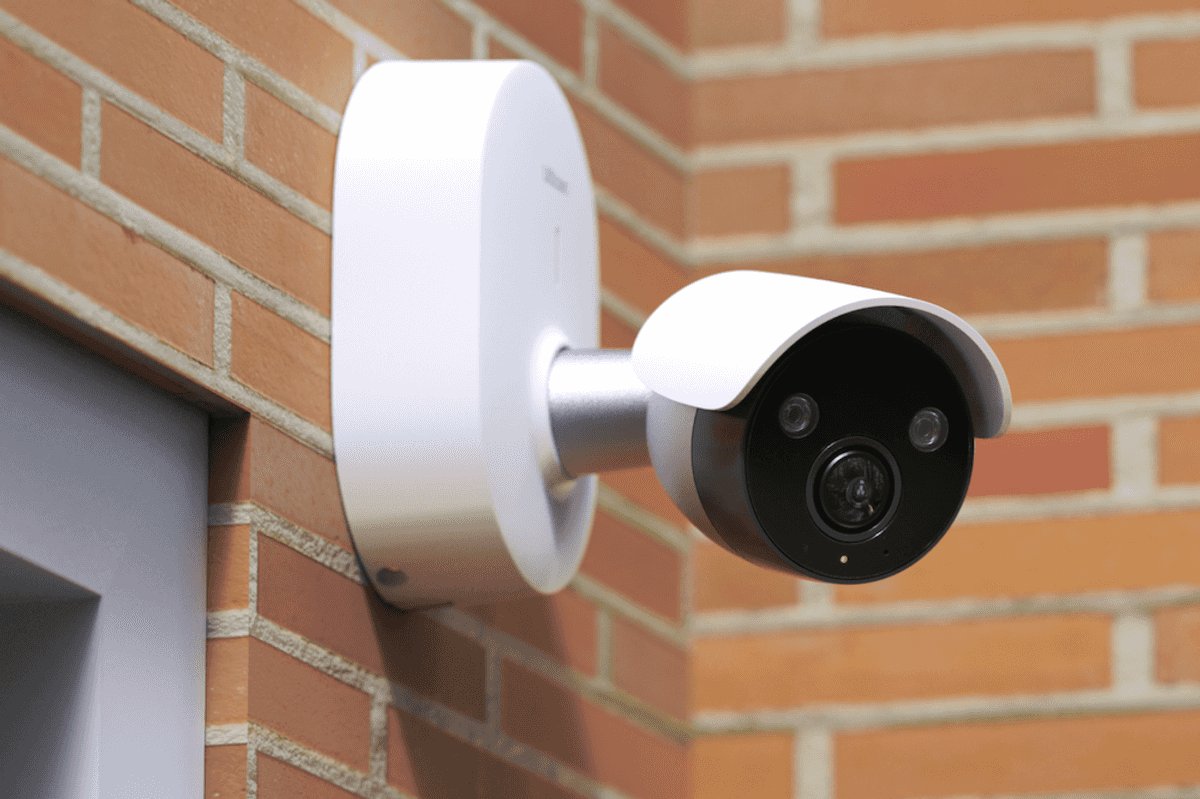
What sets this camera apart is its thoughtful design for tropical climates. The IP65 rating handles Singapore’s humidity and rain, while the built-in infrared night vision performs well even in complete darkness. The 2K local recording quality is impressive, though remember you’ll only get SD streaming through Matter.
The integrated Zigbee 3.0 hub functionality is particularly valuable for HDB dwellers who want to expand their smart home setup without cluttering limited space with multiple hubs. It supports up to 128 connected devices, which is more than sufficient for most Singapore homes.
Setup is straightforward through the Aqara Home app, and Matter integration works reliably with HomeKit, Google Home, and SmartThings. The camera’s compact form factor makes it suitable for both indoor and covered outdoor use in Singapore’s condo environments.
Best Budget Option: IKEA INSPELNING Security Camera
IKEA’s entry into the Matter camera space with the INSPELNING represents exceptional value at S$89. As part of IKEA’s broader Matter-over-Thread strategy, this camera demonstrates that affordable smart home devices don’t have to compromise on compatibility.
The INSPELNING offers 1080p local recording with decent image quality for its price point. The design is quintessentially IKEA—minimalist, functional, and designed to blend into modern home aesthetics. For HDB dwellers conscious of both budget and appearance, it’s an attractive option.
Thread connectivity ensures reliable performance even in dense WiFi environments common in Singapore’s high-rise living. The camera integrates seamlessly with IKEA’s DIRIGERA hub, though it also works as a standalone Matter device with other platforms.
Limitations include basic motion detection without person recognition and no PTZ functionality. However, for straightforward home monitoring needs, it delivers solid performance at an unbeatable price point.
Best Premium Choice: Eve Cam (Matter Edition)
Elgato’s Eve Cam represents the premium end of the Matter camera market at S$299. What justifies the higher price is the exceptional build quality, superior image processing, and thoughtful privacy features.
The camera offers 1080p recording with excellent low-light performance, crucial for Singapore’s varying lighting conditions. The wide 150-degree field of view captures more area with fewer cameras, reducing overall system costs for comprehensive coverage.
Privacy is a standout feature. All processing happens locally, with no cloud dependencies. For privacy-conscious Singapore users, this local-first approach is reassuring. The camera also includes a physical privacy shutter, addressing concerns about unwanted surveillance.
Thread connectivity ensures robust mesh networking, particularly valuable in larger condo units where WiFi coverage might be inconsistent. The camera works flawlessly with HomeKit, offering features like HomeKit Secure Video for encrypted cloud storage.
Installation Considerations for Singapore Homes
HDB Flat Installations
HDB regulations regarding external modifications apply to security cameras. Interior installations are generally unrestricted, but cameras mounted on external walls or corridors require approval. Most Matter cameras are designed for easy DIY installation, though running power cables through HDB walls requires careful planning.
Consider WiFi coverage when positioning cameras. Singapore’s HDB blocks often have thick concrete walls that can interfere with wireless signals. Thread-enabled cameras typically perform better in these environments due to their mesh networking capabilities.
For HDB dwellers, power outlet placement is crucial. Most Matter cameras require constant power, so position them near existing outlets or plan for extension cables. Battery-powered options exist but typically offer limited Matter functionality.
Condominium Considerations
Condo installations often face fewer regulatory restrictions but may encounter different challenges. Management corporation (MCST) rules sometimes restrict external camera installations, particularly in common areas.
Privacy concerns are heightened in dense condo living. Ensure cameras don’t inadvertently capture neighboring units or common areas. Singapore’s Personal Data Protection Act (PDPA) applies to residential security cameras, so responsible positioning is essential.
Network congestion is common in high-density condo environments. Thread cameras generally handle this better than WiFi-only models, as Thread creates its own mesh network independent of your WiFi infrastructure.
Setting Up Matter Cameras: A Singapore User’s Guide
Initial Setup Process
Setting up Matter cameras in Singapore typically involves three main steps: physical installation, network configuration, and platform integration. Start with the manufacturer’s native app for initial configuration, as this usually provides the most comprehensive setup experience.
Network configuration requires attention to Singapore’s unique internet infrastructure. If you’re using Singtel, StarHub, or M1 fiber, ensure your router supports Thread Border Router functionality for Thread-enabled cameras. Most modern routers from these ISPs include this feature, but older models may require updates.
For HDB users with shared internet connections, coordinate with neighbors if implementing Thread mesh networks, as overlapping networks can cause interference.
Platform Integration
Once your camera is configured, adding it to your preferred smart home platform is straightforward. The Matter QR code or setup code works across all compatible platforms, eliminating the need for platform-specific procedures.
However, feature availability varies between platforms. HomeKit typically offers the most comprehensive camera integration, including timeline scrubbing and secure video storage. Google Home focuses on voice control and integration with Google Assistant routines. SmartThings provides extensive automation capabilities but may lack some advanced camera features.
For Singapore users juggling multiple platforms—perhaps HomeKit for family sharing and Google Home for voice control—Matter cameras shine by working consistently across all platforms simultaneously.
Troubleshooting Common Issues
The most common issue Singapore users encounter is network connectivity problems, particularly in dense housing environments. Thread cameras are generally more reliable than WiFi-only models, but initial pairing sometimes requires bringing the camera closer to your Thread border router.
If you’re experiencing streaming issues, check your internet upload speed. Singapore’s fiber infrastructure typically provides excellent speeds, but some budget plans have limited upload bandwidth that can affect camera performance when accessed remotely.
For cameras that disconnect frequently, examine your network setup. Some ISP-provided routers aggressively manage device connections to preserve bandwidth, which can interfere with camera connectivity. Adjusting Quality of Service (QoS) settings often resolves these issues.
Matter Camera Limitations: What Singapore Users Need to Know
Image: Xthings/Ulticam
While Matter cameras represent significant progress toward smart home interoperability, they’re not without limitations. The most significant restriction is the SD streaming quality when accessing cameras through the Matter protocol. For Singapore users accustomed to high-definition security footage, this can be disappointing.
Advanced features like facial recognition, package detection, and zone-based motion alerts typically remain locked to manufacturer-specific apps. This means you’ll often need to use both the Matter interface for basic monitoring and the native app for advanced features.
Cloud storage integration varies significantly. Some manufacturers offer Matter-compatible cloud services, while others require their proprietary platforms. For Singapore users concerned about data sovereignty, understanding where your footage is stored and processed is crucial.
Latency can be higher when accessing cameras through Matter compared to native apps. This delay is usually minimal but can be noticeable when checking live feeds or responding to motion alerts.
Future Outlook: What’s Coming Next?
The Matter camera landscape in 2026 is just the beginning. The Connectivity Standards Alliance has indicated that future Matter revisions will address current limitations, potentially including HD streaming support and enhanced feature standardization.
For Singapore buyers, this creates a timing dilemma. Current Matter cameras provide valuable interoperability benefits but with notable limitations. Waiting for future improvements might mean missing out on immediate benefits, but early adoption always carries the risk of obsolescence.
My recommendation for Singapore homeowners is pragmatic: if your current security needs align with Matter camera capabilities, the interoperability benefits justify the limitations. However, if you require advanced features like 4K streaming or sophisticated analytics, consider hybrid approaches that combine Matter cameras for basic monitoring with specialized cameras for advanced needs.
Making the Right Choice for Your Singapore Home
Image: Xthings/Ulticam
Choosing the right Matter camera depends on your specific needs, living situation, and budget. For most Singapore homeowners, the Aqara Camera Hub G5 Pro offers the best balance of features, reliability, and value. Its dual hub functionality is particularly valuable in space-constrained HDB environments.
Budget-conscious buyers should seriously consider IKEA’s INSPELNING, especially if you’re already invested in IKEA’s smart home ecosystem. The quality-to-price ratio is exceptional, and future firmware updates are likely to enhance functionality.
Premium buyers seeking the best possible experience should consider the Eve Cam, particularly if privacy and build quality are priorities. The higher price is justified by superior materials, processing capabilities, and long-term software support.
Regardless of which camera you choose, remember that Matter’s primary value proposition is interoperability, not cutting-edge features. These cameras excel at providing reliable, cross-platform security monitoring rather than advanced surveillance capabilities.
The arrival of Matter 1.5 cameras in 2026 marks a significant milestone in smart home evolution. While they’re not perfect, they represent genuine progress toward the interoperable smart home future we’ve long been promised. For Singapore homeowners ready to embrace this future, the time to start exploring Matter cameras is now.