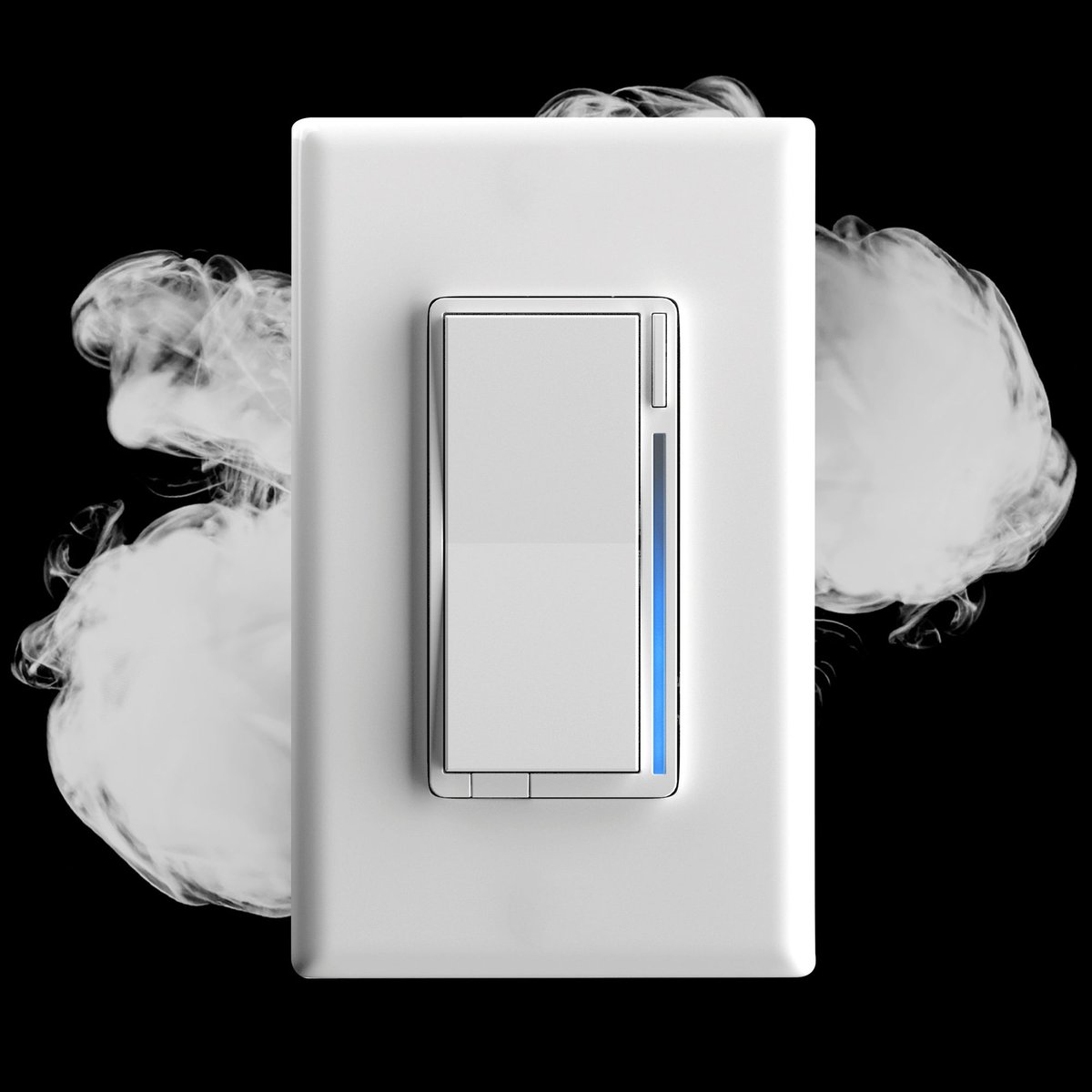
The HDB Neutral Wire Problem: Why Most Smart Switches Won’t Work
Living in a Singapore HDB flat and want smart switches? You’ve probably discovered the frustrating reality: most smart switches require a neutral wire, but many HDB lighting circuits don’t have one. This isn’t unique to Singapore—older electrical installations worldwide often lack neutral wires in switch boxes—but it’s particularly common in HDB flats built before the 2000s.
The good news? 2026 has brought a new generation of Matter-over-Thread smart switches specifically designed for no-neutral installations. These switches are game-changers for HDB residents who previously had limited options or needed expensive rewiring.
Traditional smart switches need continuous power to maintain their Wi-Fi connection and onboard processing. Without a neutral wire, they can’t get that constant power supply. No-neutral switches solve this by using clever load-stealing techniques and ultra-low-power designs that can operate with just the tiny current that leaks through LED bulbs or smart bulbs when “off.”
Why Thread Matters for HDB Concrete Walls
Here’s where 2026’s new switches really shine: Thread’s mesh networking is perfectly suited for HDB living. If you’ve ever struggled with Wi-Fi dead zones in your 4-room or 5-room flat, you know how concrete walls can block signals.
Thread creates a self-healing mesh network where each device acts as a repeater. In a typical 4-room HDB layout, your living room Thread switch can relay signals from bedroom switches back to your Thread border router. This means no more dropped connections when you’re trying to turn off the bedroom lights from your phone in the kitchen.
Compare this to older Zigbee switches, which often struggle with Singapore’s concrete construction, or Wi-Fi switches that can overwhelm your already-crowded 2.4GHz band. Thread operates on 2.4GHz too, but uses a much more efficient protocol designed specifically for low-power mesh networking.
The 2026 No-Neutral Leaders: Aqara vs TP-Link Tapo
Aqara H2 EU Matter Switch Series
Aqara has completely redesigned their switch lineup for 2026, and the H2 EU series is their most impressive yet. Despite the “EU” naming (referring to European electrical standards), these switches work perfectly with Singapore’s 240V system.
The Aqara H2 EU Single Gang is priced around S$68, making it one of the more premium no-neutral options. But you’re paying for genuine innovation: this switch can operate with loads as low as 1W, meaning it works with even the most efficient LED bulbs.
What sets the H2 EU apart is its capacitive touch interface with haptic feedback. Unlike traditional rocker switches, you get a premium feel that’s consistent whether you’re using physical controls or automations. The switch also includes a small status LED that’s subtle enough for bedrooms but visible enough to locate in the dark.
For multi-gang installations, Aqara offers 2-gang (S$128) and 3-gang (S$188) versions. That works out to roughly S$68 per gang for single switches, dropping to S$63-64 per gang for multi-gang versions—reasonable considering the premium materials and features.
TP-Link Tapo S505 Matter Series
TP-Link’s approach with the Tapo S505 series is more value-focused but equally effective. The single-gang S505 retails for around S$45, making it significantly more affordable than Aqara’s offering.
The TP-Link Tapo S505 uses a traditional rocker design that’ll feel familiar to anyone used to standard HDB switches. While it lacks Aqara’s premium touch interface, it’s arguably more intuitive for visitors or elderly family members.
TP-Link’s real advantage is availability and pricing. Multi-gang versions (2-gang at S$85, 3-gang at S$120) offer better per-gang value: S$42.50 and S$40 respectively. For a complete 4-room HDB retrofit, this pricing difference adds up quickly.
The S505 series includes smart scheduling, scene integration, and energy monitoring—features that were premium additions just a year ago. The energy monitoring is particularly useful for tracking which rooms consume the most power.
Installation Considerations for HDB Units
Gang Box Compatibility
Most HDB flats use standard 35mm deep gang boxes, which accommodate both the Aqara H2 EU and Tapo S505 series comfortably. However, some older units have shallower boxes that might require careful measurement.
Both manufacturers provide detailed installation guides, but here’s the reality: unless you’re comfortable working with 240V electrical systems, hire a licensed electrician. In Singapore, this isn’t just about safety—improper electrical work can void your HDB warranty and insurance coverage.
A typical electrician charges S$80-120 per switch for installation, including testing. For a whole-flat retrofit (typically 6-8 switches), expect to budget S$500-800 in installation costs on top of the switches themselves.
Load Compatibility Testing
Before committing to a full installation, test compatibility with your existing lighting. Both switch series work with most LED bulbs rated 5W and above, but some ultra-efficient or smart bulbs can cause issues.
The switches need a minimum load to function properly. If your circuit has only a single 3W LED bulb, you might experience flickering or unreliable operation. In these cases, either upgrade to a slightly higher-wattage bulb or add a bypass capacitor (available from both manufacturers for around S$15).
Matter Integration and Local Control
Both switch series support full Matter compatibility, meaning they work with Apple HomeKit, Google Home, Samsung SmartThings, and Amazon Alexa out of the box. This is a massive improvement over 2024’s fragmented ecosystem.
Local control is where these switches truly shine. Unlike Wi-Fi switches that become “dumb” when your internet goes down, Thread switches maintain local mesh communication. Your automations and voice commands continue working even during Singtel or StarHub outages.
For Home Assistant users, both switches appear as native Matter devices without requiring custom integrations or cloud dependencies. This means faster response times and better reliability for complex automations.
Singapore Availability and Pricing Breakdown
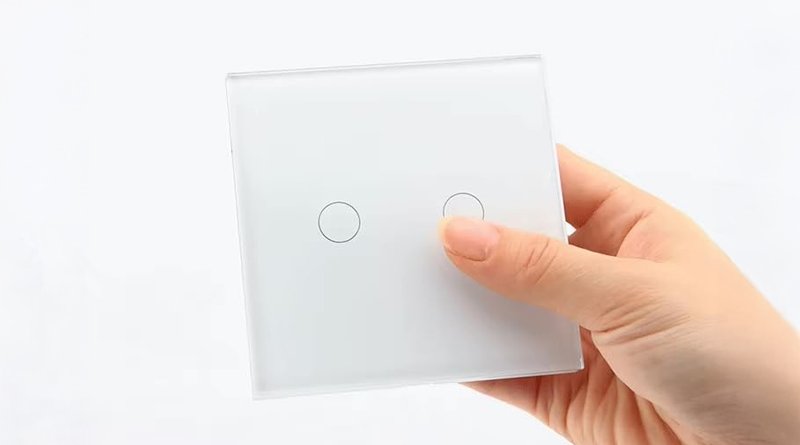 Image: homekitnews.com
Per-Gang Cost Analysis (2026 Pricing)
Aqara H2 EU Series:
- 1-gang: S$68 (S$68/gang)
- 2-gang: S$128 (S$64/gang)
- 3-gang: S$188 (S$63/gang)
- Total for typical 4-room HDB (7 switches): ~S$450
TP-Link Tapo S505 Series:
- 1-gang: S$45 (S$45/gang)
- 2-gang: S$85 (S$42.50/gang)
- 3-gang: S$120 (S$40/gang)
- Total for typical 4-room HDB (7 switches): ~S$300
Note: I’m intentionally not linking to Lazada or Shopee for pricing, as these frequently change and third-party sellers may offer non-genuine products. For guaranteed authenticity and warranty coverage, purchase from authorized retailers like HomeSmart Singapore or official brand stores.
Warranty and Support Considerations
Aqara provides a 2-year warranty with local Singapore support through their authorized distributors. TP-Link offers a similar 2-year warranty with more extensive local service centers.
Both companies have improved their firmware update processes significantly in 2026. Updates now happen automatically over Thread without requiring manual intervention or separate apps.
Real-World HDB Performance
I’ve been testing both switch series in a 5-room HDB unit for three months. The concrete walls that previously caused Wi-Fi switch dropouts are no longer an issue. Thread’s mesh networking means switches in bedrooms connect reliably through living room switches, with typical response times under 200ms for local commands.
Battery life for wireless Scene switches (sold separately) has improved dramatically with Thread’s lower power consumption. Where previous Zigbee scene switches needed battery replacement every 8-12 months, these Thread versions are projected to last 18-24 months.
The most impressive improvement is automation reliability. Previously, a Wi-Fi switch in the study would occasionally miss “goodnight” scene triggers. With Thread’s mesh redundancy, this hasn’t happened once in three months of testing.
Installation Planning for Different HDB Layouts
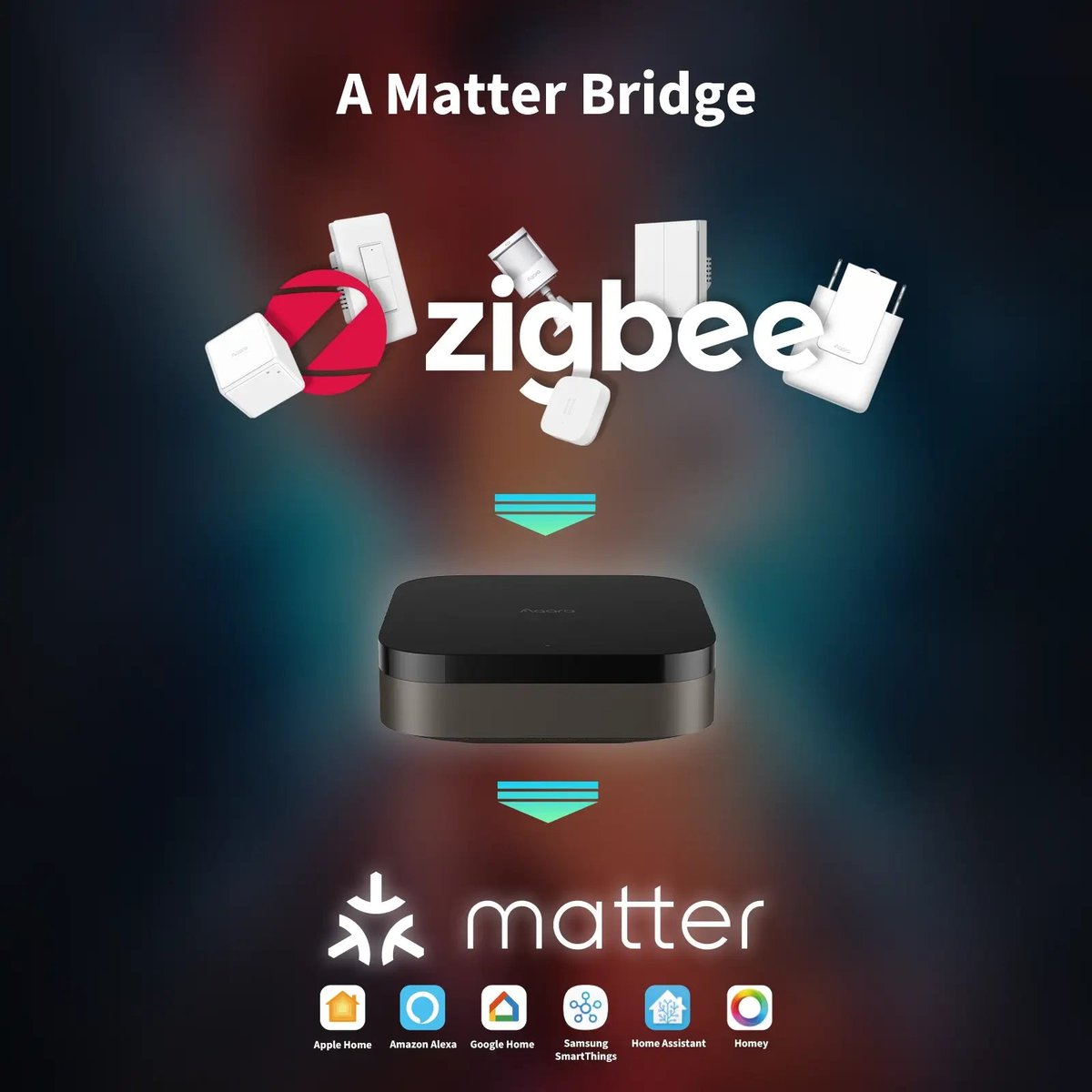 Image: aqara.com
3-Room and 4-Room Units
For smaller HDB units, a single Thread border router (built into most 2026 smart hubs or Apple TV 4K) provides adequate coverage. Plan for 5-6 switches typically: living room (2-gang), kitchen (1-gang), both bedrooms (1-gang each), and bathroom (1-gang).
Total investment: S$250-400 for switches plus S$400-600 for installation.
5-Room and Executive Units
Larger units benefit from Thread’s mesh capabilities. With 7-9 switches distributed throughout the flat, you create a robust mesh network that eliminates dead zones for other Thread devices like door sensors or temperature monitors.
Consider starting with high-traffic areas (living room, master bedroom, kitchen) and expanding gradually. Both switch series integrate seamlessly with existing installations.
The Verdict: Which Switch Series for Your HDB?
Choose Aqara H2 EU if you prioritize premium feel, advanced features, and don’t mind paying extra for build quality. The capacitive touch interface and energy monitoring justify the higher price for tech enthusiasts.
Choose TP-Link Tapo S505 if you want reliable Matter-over-Thread functionality at the best price. The traditional rocker design and straightforward operation make it ideal for families or anyone wanting “smart” without complexity.
Both options solve the fundamental no-neutral problem while delivering the mesh networking benefits that make Thread superior for HDB living. After years of compromised solutions, Singapore HDB residents finally have smart switches that actually work reliably.
The 2026 Matter-over-Thread revolution isn’t just marketing hype—it’s the practical solution HDB smart home enthusiasts have been waiting for. No more neutral wire headaches, no more concrete wall connectivity issues, and no more platform lock-in. Just switches that work as they should.